


Catalyx’s Edge Computing: A New Frontier in Deep Space Operations
In the cold, silent vacuum of the Proxima Centauri corridor, a fraction of a second is the difference between a successful resource harvest and a multi-billion dollar hardware loss. As humanity pushes further into the stars, the traditional model of "Cloud Computing"—sending data back to terrestrial servers for processing—has hit a literal wall: the speed of light. Enter Catalyx’s Edge Computing, the architectural backbone of the next generation of interstellar exploration.
Real-Time Data Processing at the Galactic Rim
The core challenge of deep-space telemetry is latency. When a drone is navigating the high-density asteroid belts of the Kuiper region, it cannot wait forty minutes for a server in Geneva to tell it to veer left. Real-time data processing isn't just a luxury; it is the biological equivalent of a reflex arc for our machines. By embedding high-density neural processors directly into the hardware of our "Ares-class" explorers, Catalyx has effectively moved the "brain" to the "fingertips" of the mission.
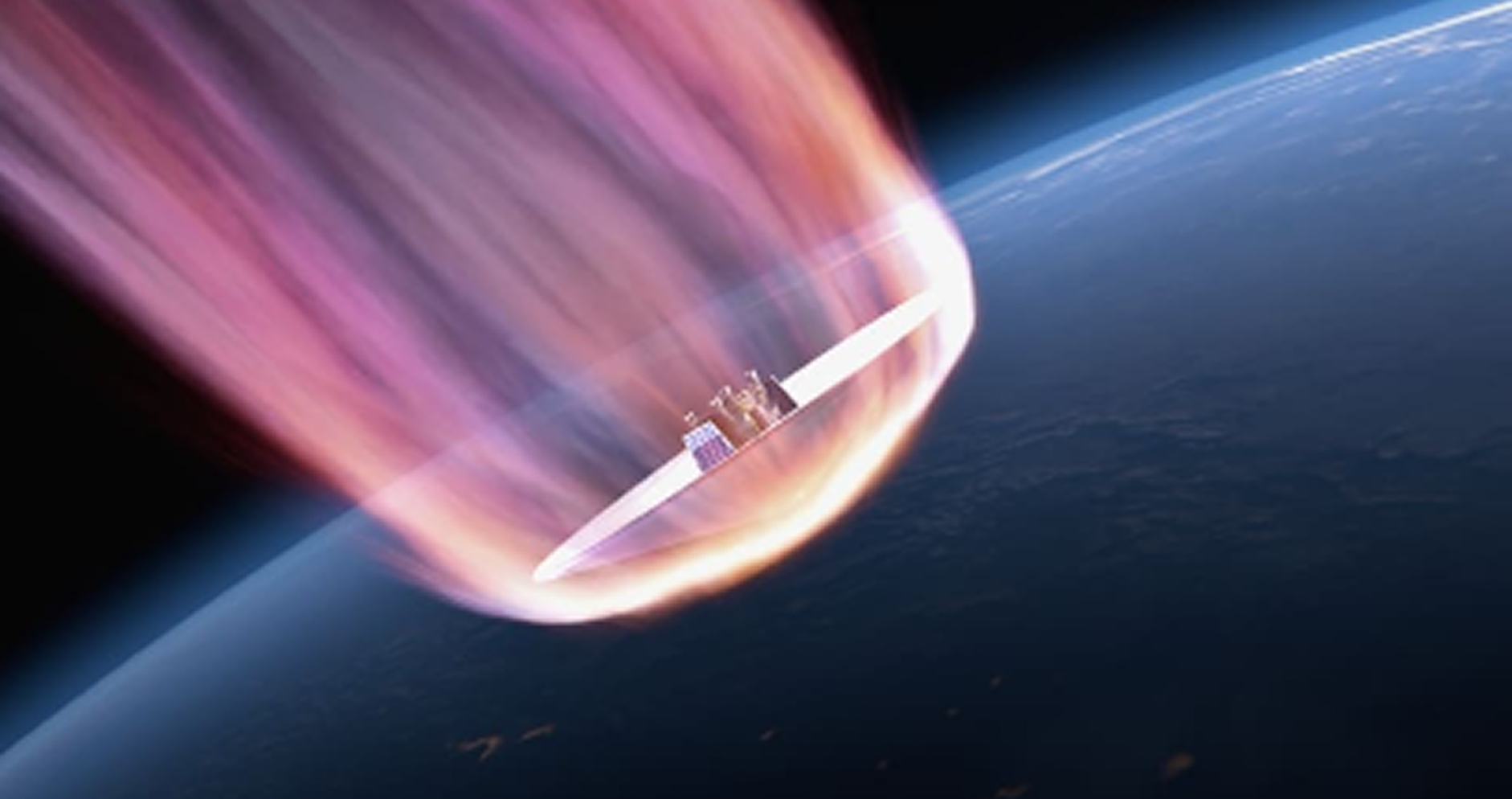
This technology allows for faster decision-making and reduces the amount of data transmitted back to Earth.
By filtering noise at the source, Catalyx’s proprietary Vortex-7 chipsets ensure that only mission-critical anomalies are beamed across the void. In the 2029 Europa Sub-Surface Mission, our edge nodes processed over 400 petabytes of seismic data locally, only transmitting 1.2 gigabytes of high-value findings back to the Deep Space Network.
This 99.9% reduction in bandwidth strain allows for more simultaneous missions without clogging our limited interstellar frequencies.
Catalyx’s Edge Computing: A New Frontier in Deep Space Operations
In the cold, silent vacuum of the Proxima Centauri corridor, a fraction of a second is the difference between a successful resource harvest and a multi-billion dollar hardware loss. As humanity pushes further into the stars, the traditional model of "Cloud Computing"—sending data back to terrestrial servers for processing—has hit a literal wall: the speed of light. Enter Catalyx’s Edge Computing, the architectural backbone of the next generation of interstellar exploration.
Real-Time Data Processing at the Galactic Rim
The core challenge of deep-space telemetry is latency. When a drone is navigating the high-density asteroid belts of the Kuiper region, it cannot wait forty minutes for a server in Geneva to tell it to veer left. Real-time data processing isn't just a luxury; it is the biological equivalent of a reflex arc for our machines. By embedding high-density neural processors directly into the hardware of our "Ares-class" explorers, Catalyx has effectively moved the "brain" to the "fingertips" of the mission.
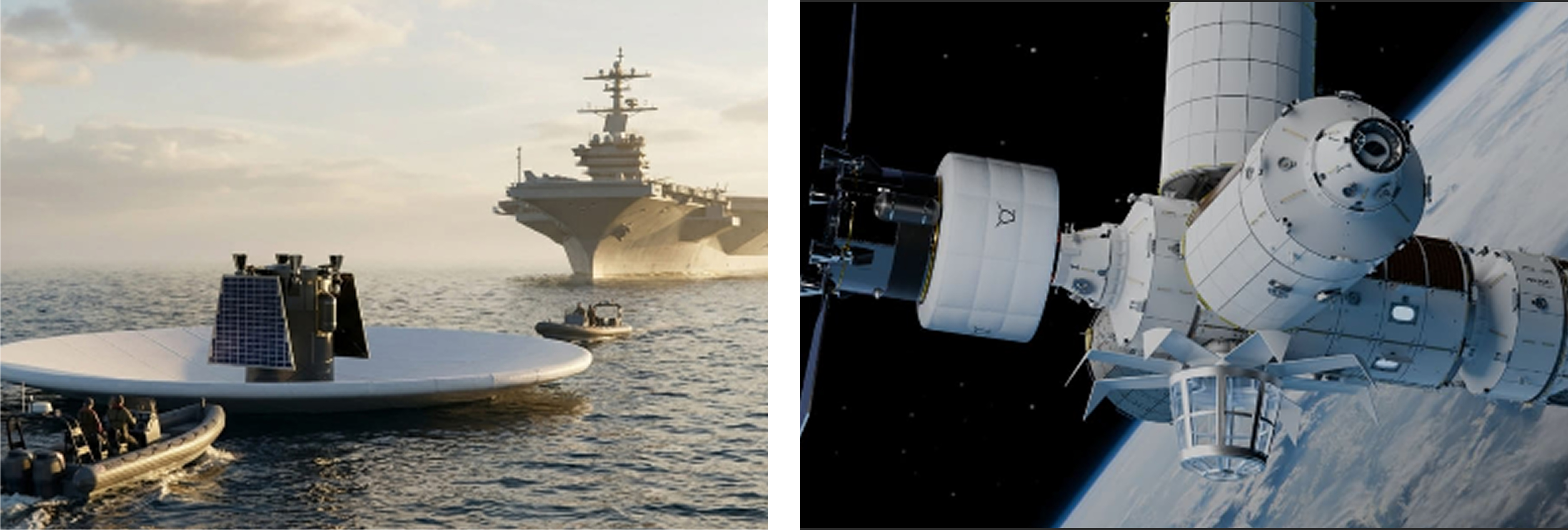
This technology allows for faster decision-making and reduces the amount of data transmitted back to Earth.
By filtering noise at the source, Catalyx’s proprietary Vortex-7 chipsets ensure that only mission-critical anomalies are beamed across the void. In the 2029 Europa Sub-Surface Mission, our edge nodes processed over 400 petabytes of seismic data locally, only transmitting 1.2 gigabytes of high-value findings back to the Deep Space Network.
This 99.9% reduction in bandwidth strain allows for more simultaneous missions without clogging our limited interstellar frequencies.

This 99.9% reduction in bandwidth strain allows for more simultaneous missions without clogging our limited interstellar frequencies.